
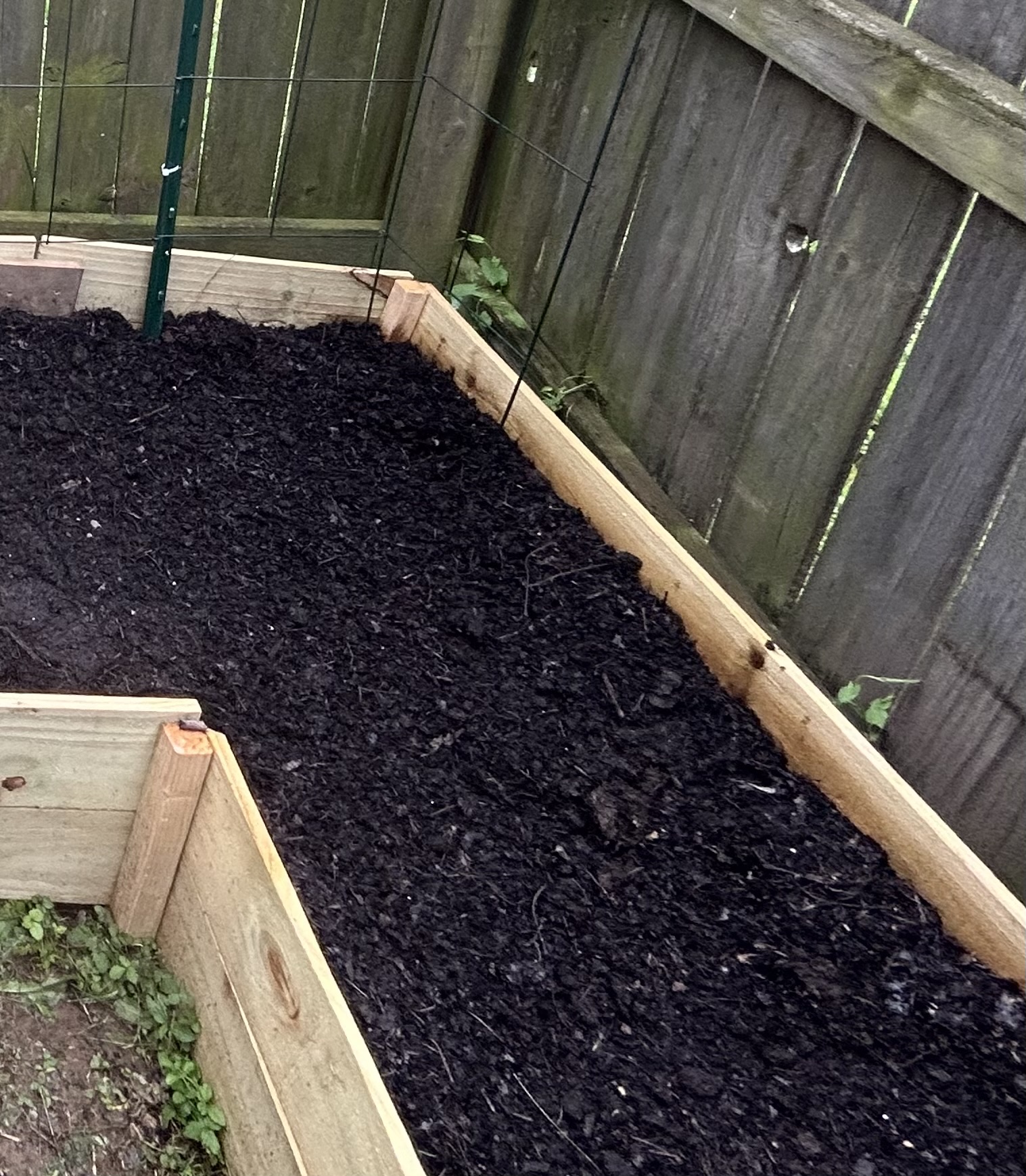
Healthy soil is the foundation of a thriving garden.
Healthy soil is the unsung hero of a successful garden. It’s easy to focus on the plants, fertilizing, and watering schedules-but none of that matters if the soil underneath isn’t healthy. Good soil supports strong roots, feeds plants naturally, and maintains moisture. It helps your garden handle stress from fluctuating temperatures, inconsistent weather, pests, and disease. In this post we’re focusing on why soil health matters and how to start improving it from the ground up-one simple step at a time. Taking care of your soil is the first-and most important-step for a thriving, bountiful garden.
What is Healthy Soil?
Soil isn’t just dirt, it’s a living, breathing ecosystem. Microorganisms, beneficial fungi and bacteria, nematodes, worms, and countless other tiny helpers all call your garden soil home. They each play a special role in keeping your plants healthy. These soil inhabitants break down organic matter, return nutrients to the soil, improve soil structure, and even help protect plants from disease. When they’re thriving, your soil comes alive, providing a strong foundation for roots to grow deep, plants to flourish, and flowers to bloom. You’re probably thinking to yourself, Okayyy, so how do I achieve healthy soil? It’s definitely something that takes time, season-by-season, and a lot of patience. Yes, patience. And if you’re anything like me, patience is NOT your strongest virtue. But, that’s okay, we’ll get through this!
Amendments vs Fertilizers
Fertilizers are a quick fix, focusing more on feeding the plants, not the soil. Fertilizers provide concentrated nutrients-Nitrogen, Phosphorus, and Potassium (NPK)-directly to plants. This allows for rapid uptake of these nutrients. This can encourage fast growth, as well as larger growth of fruits and blooms. However, most fertilizers are synthetic and do little to support long-term soil health. You can’t “out fertilize” bad soil.
While fertilizers can deliver fast, visible results, they don’t address what’s happening beneath the surface. Healthy plants start with healthy soil, and that’s where amendments come in.
Amendments feed the soil, and in return, the soil feeds your plants! They work by improving soil structure, enhancing aeration, water retention, and drainage, creating an environment where roots and beneficial microorganisms can thrive. Amendments typically include organic matter such as compost, vermiculite, manure, worm castings, bone meal, blood meal, etc. Organic matter can also improve the pH level in your soil. While amendments take a little more patience, they build healthier soil that continues to work for you season after season.
In short, fertilizers can help in the moment, but amendments set your garden up for long-term success.
Soil pH-Neutral, Alkaline, or Acidic?
🌿Science, but make it gardening!
Flashback to high school science- The pH scale measures how acidic or alkaline your soil is, ranging from 0-14. 7 is neutral, while below 7 means acidic soil, and above 7 means alkaline soil. The further the number gets from 7, the stronger the effect. Don’t worry though, there’s no pop quiz at the end of this post.
Why is this important? Soil pH matters because it affects how well plants absorb nutrients. Even if your soil is full of nutrients and trace minerals, plants may struggle if the soil pH is outside of their preferred range. Most plants prefer soil that is neutral to slightly acidic. (Some prefer soil that is more acidic, like blueberries and certain flowers.) Soil that is too alkaline can hinder growth in your plants, while soil that is too acidic can inhibit the beneficial microorganisms and biological functions in the soil.
Testing Soil pH
There are multiple ways to test your soil pH, ranging from home kits to professional testing. You can use meters, probes, home test kits, there’s even a way to test with vinegar and baking soda! I’ve never tried that last one, but I’ve always wanted to. (Future blog post, anyone?!)
For the most accurate results, I recommend sending a sample to your local County Extension Office. They will test it and even recommend what amendments your soil needs. You can find your local extension office by typing your county, state, and “extension office” into your search bar. (Ex: “Williamson County TN Extension Office”) I also *HIGHLY* recommend browsing your extension office’s website. They are a wealth of information, and they offer classes/programs for both adults and children. They’re also very useful if you have any questions-you can always reach out to them and ask. I’m not afraid to admit I’ve called the Williamson County one a time or two asking about pests, soil, native plants, etc. They’ve always been super helpful!
Unhealthy Soil
🚩Visual and Physical Signs
🚩Plant Growth (or lack thereof)
🚩Drainage and Moisture Problems
🚩Disease
🚩Pests
🚩Lack of Soil Life (ecosystem)
There are a few signs that will tell you that your soil isn’t the healthiest and might need some amending. Hard, compacted soil can make it difficult for plants to grow strong roots. Your soil may be compacted due to heavy foot traffic, over-tilling, minimal organic matter, natural settling over time, or clay-heavy soil. (Looking at you Middle Tennessee soil 👀) You will also notice signs of nutrient deficiencies in your plants, such as stunted growth, yellowing leaves, less and less If you’re only using fertilizers and not adding organic matter to your soil, you may notice your plants look burned. Because too much fertilizer can burn your plants. A noticeable uptick in destructive pests is another sign, along with a lack of beneficial organisms like earthworms. Healthy soil supports beneficial organisms that help suppress pests and disease-unhealthy soil doesn’t. Last but certainly not least, drainage and moisture problems: soil stays soggy, roots are rotting, hydrophobic soil.
If you’re nodding along thinking, “Yepp.. that sounds like my soil,” take a breath. Soil issues are not uncommon, especially in home gardens-and fixing it is easier than you think.
How to Fix Unhealthy Soil
✨DON’T FRET! The good news is that soil can almost always be improved.
Improving soil structure starts with restoring air, organic matter, and biological activity. Remember, we want our soil to have its own little ecosystem. And you don’t have to start from scratch! You start with what you already have, and add to it.
Start by feeding the soil, not just your plants. This is where those amendments we already discussed come into play. Adding organic matter is one of the most effective ways to improve your soil health. Compost, aged manure, worm castings, leaf mold, are all examples of materials than not only feed your soil nutrients, but can also help break up compacted soil. This will also improve water retention and provide nutrients to the beneficial organisms we want living in our soil. Think of organic matter as comfort food for your soil. Determine the pH of your soil, this will help guide you in recognizing what amendments your soil needs.
Protect your soil. Bare soil isn’t something I encourage. But if you prefer bare soil, that’s your choice! No judgment here. You can avoid having bare soil with mulch. And I don’t just mean wood mulch. I’m personally not a huge fan of using wood chips-I prefer a living mulch. Living mulch is where you grow low-growing, dense plants like clover, thyme and other herbs, and even lettuce and leafy greens. Mulch helps with water retention, prevents erosion, fixes more nutrients into the soil, and even creates more biodiversity.
Give it Time.
Soil health doesn’t change overnight, and that’s okay! Each season of adding compost, organic matter, amendments, and caring for your soil builds on the previous season. With patience and consistency, even poor soil can become rich, living soil that supports healthier, happier plants. If your garden isn’t thriving yet, it’s not a failure-it’s feedback. You don’t need fancy tools or a perfect setup to build healthy soil. But always remember, healthy soil is a solid foundation for your garden. Care for your soil first, and the rest will fall into place.
Drop any questions you have below!

Leave a Reply